Saturday, April 30, 2011
by king of the universe
IBS and Stress
Whether you have IBS or not, you're probably familiar with the "butterflies in the stomach" that accompany public speaking, a college final, or other high-stakes events. Stress may trigger or worsen symptoms of IBS. This means that stress can be particularly problematic for people with IBS. IBS symptoms can cause stress, and stress can make the symptoms worse, leading to a vicious cycle.


Whether you have IBS or not, you're probably familiar with the "butterflies in the stomach" that accompany public speaking, a college final, or other high-stakes events. Stress may trigger or worsen symptoms of IBS. This means that stress can be particularly problematic for people with IBS. IBS symptoms can cause stress, and stress can make the symptoms worse, leading to a vicious cycle.
Treating IBS: Diet Changes
Your treatment strategy will depend on your specific symptoms and triggers, but many people start with diet changes. You may find it helpful to avoid caffeine, alcohol, and fatty foods. Getting more fiber or water may also improve symptoms. Suspicious foods can be eliminated one at a time. It may take some trial and error to discover which changes provide the most relief.
by king of the universe
Do you suffer from chronic gas? If so then today I'll discuss 3 things you must do in order to stop the creation of excessive gas in your bowels and return your digestive tract to healthy functioning ability. First did you know that the #1 cause of digestive problems is created through a lifestyle of poor dietary habits and prescription or OTC drug use. If either or both apply to you then you will need to address these issues if you wish to stop the gas.
The 3 Steps to Ending Chronic Gas
#1. Stop Eating Processed Food: At the very least reduce your consumption of processed food, it's entirely likely that you are reacting to a artificial flavour or additive which is causing irritation in your digestive tract and gas as a result. The only way to correct this is to clean up your diet and take on a diet of whole foods for 2 weeks and see how you feel.
#2. Get the Bowels Moving: Most people who suffer from chronic gas have one thing in common, they're all constipated! You might not know it, but if you only have 1-2 bowel movements per day and sometimes less you're actually considered constipated. 2-3 is the minimum per day you should be having. 4-5 During a cleanse to ensure everything is out. So do yourself a favour and start drinking some high fiber shakes, they may cause an increase in gas initially but they'll clear everything out and get you back to normal.
#3. Eliminate your Candida Overgrowth: If gas is a problem for you, you have a candida overgrowth. There are no ifs, ands or buts about it. This pervasive yeast causes a huge list of symptoms which cover mental, emotional and most of all physical problems. Candida exists in over 90% of the population, a smaller percentage suffer from symptoms due to it. The yeast creates a great deal of fermentation which creates loads of gas, so if you get bloated a lot as well that's a huge sign that you've got a big problem with it. Candida also inhibits enzyme production and reduces stomach acid production creating digestive problems right from the get go in your stomach, not to mention it also suppresses the production of friendly bacteria which are meant to protect your digestive tract from it.
The best thing you can do is begin to follow an anti-candida diet which starves the yeast, this diet is also incredibly healthy as it removes the toxic foods which can contribute to poor bowel health while also improving the overall health of your body. You don't want to delay in treating candida since it's been found that people with cancer virtually always have candida, and that there is a connection between the fermentation process candida creates and cancer growth in the body.
The 3 Steps to Ending Chronic Gas
#1. Stop Eating Processed Food: At the very least reduce your consumption of processed food, it's entirely likely that you are reacting to a artificial flavour or additive which is causing irritation in your digestive tract and gas as a result. The only way to correct this is to clean up your diet and take on a diet of whole foods for 2 weeks and see how you feel.
#2. Get the Bowels Moving: Most people who suffer from chronic gas have one thing in common, they're all constipated! You might not know it, but if you only have 1-2 bowel movements per day and sometimes less you're actually considered constipated. 2-3 is the minimum per day you should be having. 4-5 During a cleanse to ensure everything is out. So do yourself a favour and start drinking some high fiber shakes, they may cause an increase in gas initially but they'll clear everything out and get you back to normal.
#3. Eliminate your Candida Overgrowth: If gas is a problem for you, you have a candida overgrowth. There are no ifs, ands or buts about it. This pervasive yeast causes a huge list of symptoms which cover mental, emotional and most of all physical problems. Candida exists in over 90% of the population, a smaller percentage suffer from symptoms due to it. The yeast creates a great deal of fermentation which creates loads of gas, so if you get bloated a lot as well that's a huge sign that you've got a big problem with it. Candida also inhibits enzyme production and reduces stomach acid production creating digestive problems right from the get go in your stomach, not to mention it also suppresses the production of friendly bacteria which are meant to protect your digestive tract from it.
The best thing you can do is begin to follow an anti-candida diet which starves the yeast, this diet is also incredibly healthy as it removes the toxic foods which can contribute to poor bowel health while also improving the overall health of your body. You don't want to delay in treating candida since it's been found that people with cancer virtually always have candida, and that there is a connection between the fermentation process candida creates and cancer growth in the body.
by king of the universe
Candida Symptoms,
The most common causes are overuse of antibiotics (which tend kill the helpful bacteria in the gut), stress and poor diet, and the big one which is frequently overlooked: poor digestion! If you're not "going" frequently or feel like food is simply sitting inside you like dead weight instead of moving through you like a well-oiled machine, then you may fall under the poor digestion category.
How do we improve digestion? A great way is to take digestive enzymes, which help your body break the food you eat (and also improve nutrient absorption at the same time). Two of the most important enzymes to take are bromelain and papain. They are naturally found in pineapples and papayas, respectively. Head to your local health food store or find a reputable online shop and pick up a supplement containing both bromelain and papain. A tablet should be taken before having a big meal. Bromelain/papain supplements are good in general, whether you suffer from candida or not because they help to break down hard to digest proteins (like red-meat!) Most of the people I correspond with seem to have some sort of digestion or indigestion issue.
We also want to make sure food is moving quickly and efficiently through your colon. Western-diets really promote a laziness of the intestines (with fatty and high-carb foods) so we need to decrease the transit time of food in your system. Best way to do that is generally with fiber. If you have problems "going" often or feel "clogged up" inside, fiber may be what you've been missing. Also, you'll want to support the beneficial bacteria that live in your gut with some probiotics you may have heard of (such as acidophilus and other lactobacillus strains). These tend to calm intestines which are upset due to an imbalance of healthy vs. unhealthy flora living inside you. Look for probiotic products which contain several different strains, such as these probiotics from the vitamin shop.
For some (and maybe most of you), following the above digestion tips maybe resolve the cause of your candida.
Candida Symptoms
Candida albicans is a type of yeast that lives in all of us. When your immune system is working properly, the amount of Candida in your body is kept in balance. When your immune system is compromised, or other factors occur such as consuming unhealthy amounts of sugars and carbohydrates, the Candida can grow out of control. Here are some of the symptoms of Candida overgrowth:
* Frequent stomach pains and digestion problems
* Skin problems (skin infections, eczema, psoriasis, acne)
* Foggy brain / Trouble concentrating
* Constant tiredness and exhaustion
* Anxiety
* Mood swings
* Obsessive compulsive disorder (OCD)
* Anger outbursts
* Irritability
* Headaches
* Intense cravings for sugars, sweets, and breads
* Itchy skin
Just having one or two of the symptoms listed above does not necessarily mean you have Candidiasis, but having several of these could be sign of a Candida overgrowth or food allergy, which has similar symptoms to Candida.
The most common causes are overuse of antibiotics (which tend kill the helpful bacteria in the gut), stress and poor diet, and the big one which is frequently overlooked: poor digestion! If you're not "going" frequently or feel like food is simply sitting inside you like dead weight instead of moving through you like a well-oiled machine, then you may fall under the poor digestion category.
How do we improve digestion? A great way is to take digestive enzymes, which help your body break the food you eat (and also improve nutrient absorption at the same time). Two of the most important enzymes to take are bromelain and papain. They are naturally found in pineapples and papayas, respectively. Head to your local health food store or find a reputable online shop and pick up a supplement containing both bromelain and papain. A tablet should be taken before having a big meal. Bromelain/papain supplements are good in general, whether you suffer from candida or not because they help to break down hard to digest proteins (like red-meat!) Most of the people I correspond with seem to have some sort of digestion or indigestion issue.
We also want to make sure food is moving quickly and efficiently through your colon. Western-diets really promote a laziness of the intestines (with fatty and high-carb foods) so we need to decrease the transit time of food in your system. Best way to do that is generally with fiber. If you have problems "going" often or feel "clogged up" inside, fiber may be what you've been missing. Also, you'll want to support the beneficial bacteria that live in your gut with some probiotics you may have heard of (such as acidophilus and other lactobacillus strains). These tend to calm intestines which are upset due to an imbalance of healthy vs. unhealthy flora living inside you. Look for probiotic products which contain several different strains, such as these probiotics from the vitamin shop.
For some (and maybe most of you), following the above digestion tips maybe resolve the cause of your candida.
Candida Symptoms
Candida albicans is a type of yeast that lives in all of us. When your immune system is working properly, the amount of Candida in your body is kept in balance. When your immune system is compromised, or other factors occur such as consuming unhealthy amounts of sugars and carbohydrates, the Candida can grow out of control. Here are some of the symptoms of Candida overgrowth:
* Frequent stomach pains and digestion problems
* Skin problems (skin infections, eczema, psoriasis, acne)
* Foggy brain / Trouble concentrating
* Constant tiredness and exhaustion
* Anxiety
* Mood swings
* Obsessive compulsive disorder (OCD)
* Anger outbursts
* Irritability
* Headaches
* Intense cravings for sugars, sweets, and breads
* Itchy skin
Just having one or two of the symptoms listed above does not necessarily mean you have Candidiasis, but having several of these could be sign of a Candida overgrowth or food allergy, which has similar symptoms to Candida.
Friday, April 29, 2011
by king of the universe

IBS: Impact on Daily Life
IBS may not put your life at risk, but it can take a significant toll on your lifestyle. During episodes of frequent, urgent diarrhea, you may find it difficult to commute to work or travel by air. You may find it necessary to map out bathrooms before going anyplace new. In severe cases, patients may become hesitant to eat out, see a movie, or socialize.
by king of the universe

Diagnosing IBS
There is no standard test to check for IBS. Doctors usually make a diagnosis based on a patient's description of the symptoms. For this reason, it's important to be candid and specific about the problems you are having. Your doctor may order tests to rule out other causes of your symptoms.
by king of the universe

IBS: Who's at Risk?
Anyone can get IBS, but the condition is twice as common in women as in men. It's also more likely to affect people who have a family history of IBS. Symptoms usually begin when people are in their late 20s. It's uncommon for people over 50 to develop IBS for the first time. IBS sometimes co-exists with depression or anxiety.
by king of the universe
Causes of IBS
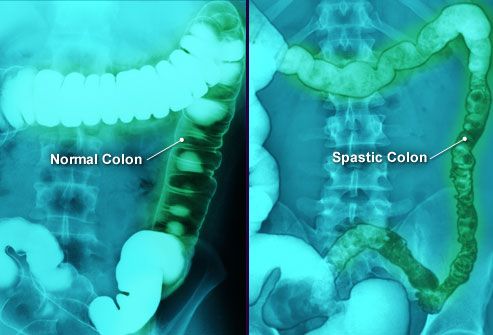
Doctors don't know the exact cause of IBS. One theory is that the signals between the brain and intestines are somehow disrupted. This miscommunication may cause abnormal intestinal muscle contractions (seen on the right) that result in cramping, pain, and fluctuations in the speed of digestion. Patients have no sign of inflamed or damaged tissue or structural abnormalities in the digestive tract.
by king of the universe

Symptoms of IBS
The main symptoms of IBS are abdominal pain accompanied by a change in bowel habits. This can include constipation, diarrhea, or both. Gas and a visibly bloated belly are also common. The condition does not damage the digestive system, but persistent pain and frequent trips to the bathroom can interfere with everyday life.
Thursday, April 28, 2011
by king of the universe
Type 2 Diabetes Overview


by king of the universe

What Is Irritable Bowel Syndrome?
Irritable bowel syndrome (IBS), also known as "spastic colon," is a common disorder. While most people experience digestive troubles once in a while, what sets IBS apart is belly pain and diarrhea or constipation that comes back again and again. IBS affects 10% to 15% of people in North America.
Saturday, April 23, 2011
by king of the universe
, I've gained a lot of weight in the past few years, and can't reduce. Checked it with doctor, who has diagnosed it as thyrouid problem. Results are awaited.
Dr. Mukesh Batra answers, Increase in weight is normally found in hypothyroidism where the thyroid gland does not function properly. Its easy to lose weight once your thyroid problem is checked. Recommend you try Fucus V 6C 5 pills twice a day half an hour before lunch and dinner.
Dr. Mukesh Batra answers, Increase in weight is normally found in hypothyroidism where the thyroid gland does not function properly. Its easy to lose weight once your thyroid problem is checked. Recommend you try Fucus V 6C 5 pills twice a day half an hour before lunch and dinner.
Thursday, April 21, 2011
by king of the universe

According to one Canadian expert, sleep apnea is becoming increasingly common because of rising obesity. Pauline Chan reports.
by king of the universe

Great strides are being made in the detection and management of the polycystic kidney disease.
by king of the universe

Pauline Chan looks at a nutritional supplement that can help boost bone strength in patients with osteoporosis or its precursor, osteo-penia.
by king of the universe

Are long hours at work hurting your health? Find out why working long hours may be putting you at higher risk of heart disease. Pauline Chan explains.
by king of the universe

Researchers from Florida State University found that apples have a surprising effect on the cholesterol levels of women ages 45-65. Pauline Chan reports.
by king of the universe
 Hospital interpreters Toronto's University Health Network has created a call centre to help patients in hospitals receive medical attention in their own language. Pauline Chan reports. |
by king of the universe
Calcium supplements

Pauline Chan reports on new British study which shows that calcium supplements increase the risk of heart attacks and stroke.

